
2026 Biomarkers of Aging Conference
October 5-6, 2026
@ The Joseph B Martin Conference Center at Harvard Medical School
The Biomarkers of Aging Consortium supports the global geroscience community by creating standardized, clinically validated ways to measure aging and assess intervention outcomes. Its work helps give the field the tools needed to turn longevity interventions into safe and effective therapies.
2026 Speakers
Our full program can be found here.
-
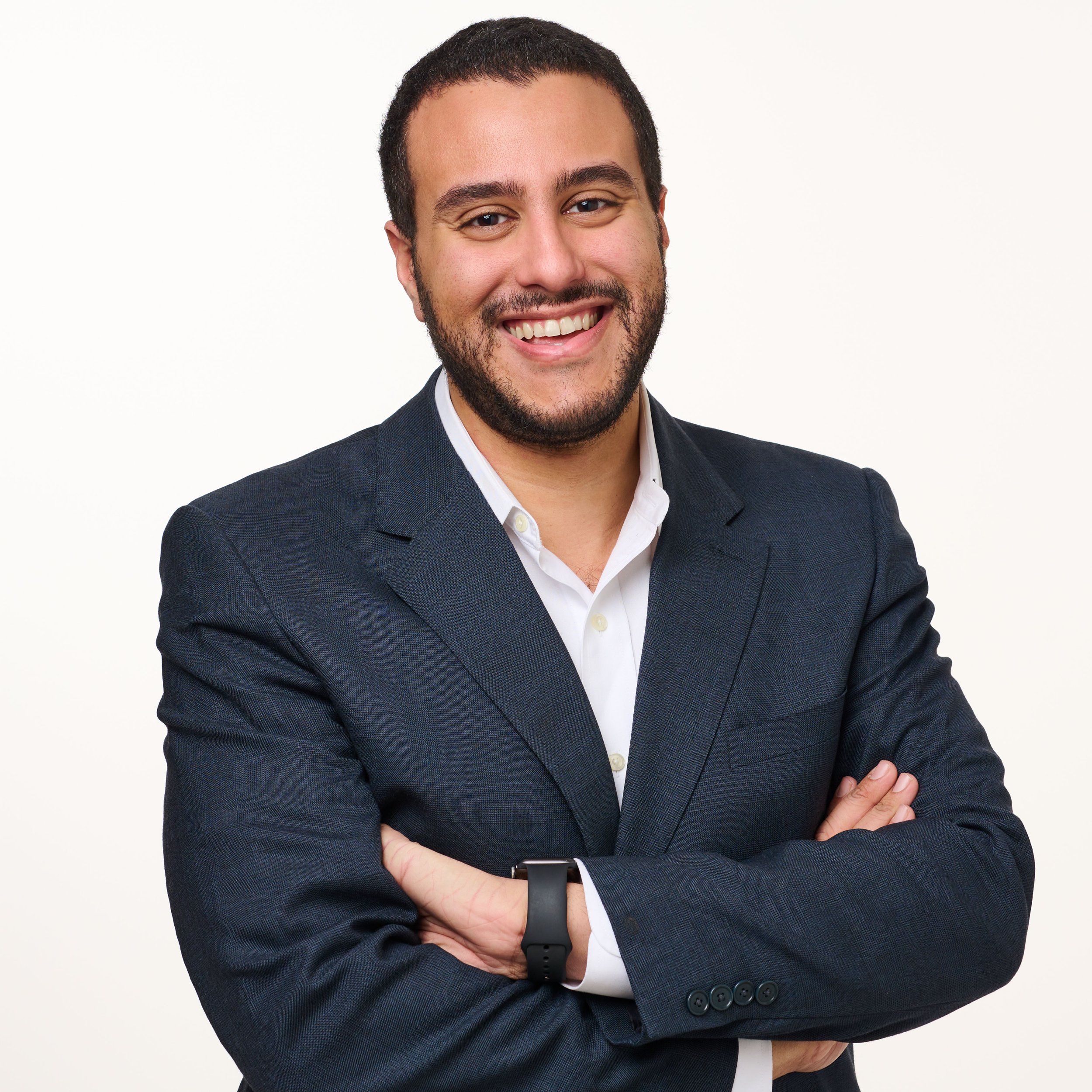
Omar Abudayyeh, Ph.D.
Harvard Medical School; Brigham and Women's Hospital; Mass General Brigham Gene and Cell Therapy Institute; Broad Institute.
Omar Abudayyeh is an Assistant Professor at Harvard Medical School and an Investigator at Brigham and Women's Hospital, where he directs the Abudayyeh-Gootenberg lab developing next-generation gene editing, gene delivery, and synthetic biology technologies using protein engineering and AI. His lab builds virtual models of biological systems, spanning DNA, proteins, cells, and humans, to accelerate scientific discovery and drug development and to advance the understanding of aging and rejuvenation. He earned his Ph.D. in Feng Zhang's lab researching novel CRISPR enzymes for genome editing, therapeutics, and diagnostics, and has co-founded several gene editing and AI-bio companies.
-
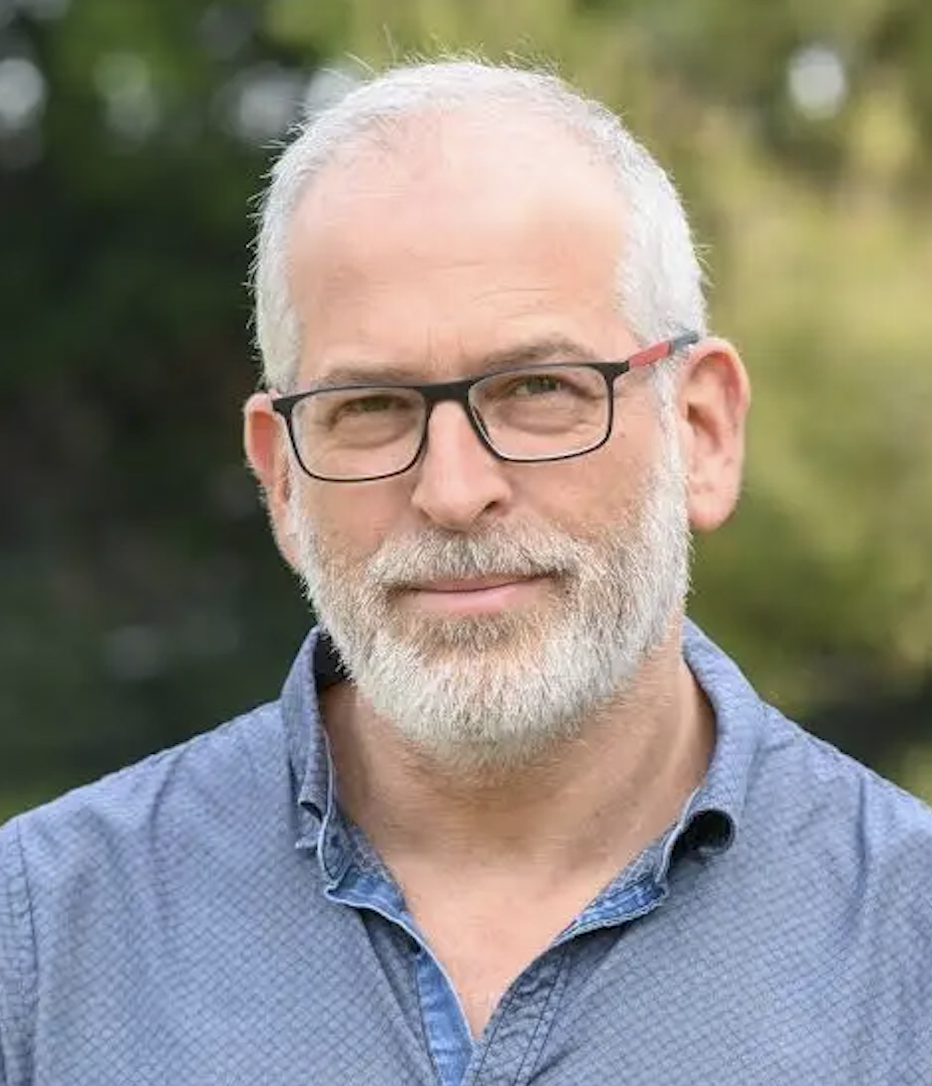
Uri Alon, Ph.D.
Weizmann Institute of Science
Prof Uri Alon is head of the Sagol institute of longevity research at the Weizmann Institute of Science and a pioneer of systems biology. His research seeks simple quantitative principles that explain biological systems, from gene regulation to human physiology. His current work focuses on developing mathematical theories that link the molecular mechanisms of aging to physiological decline, age-related disease and lifespan.
-
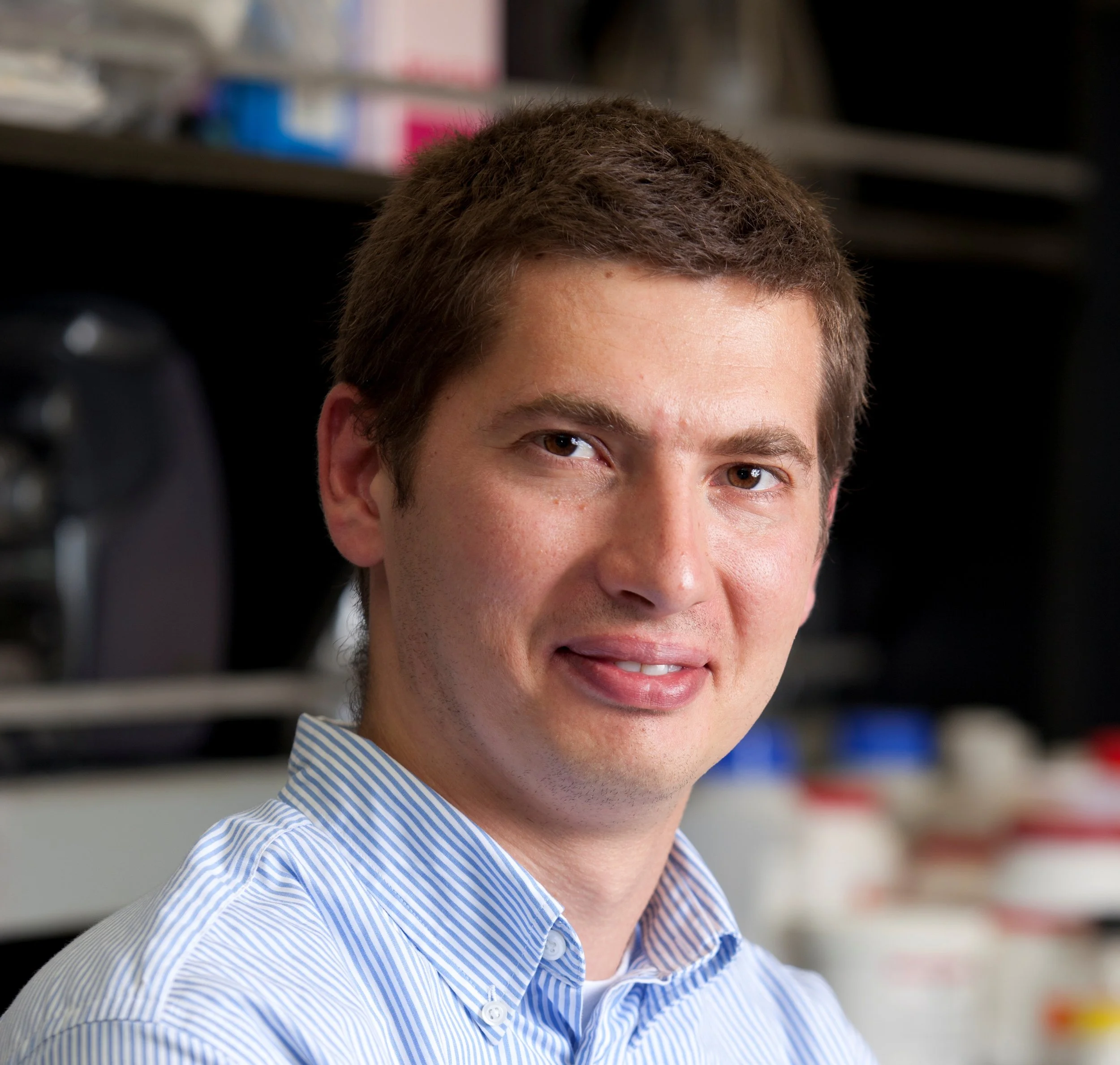
Maxim Artyomov, Ph.D.
Washington University in St.Louis School of Medicine, Dept of Pathology & Immunology
Maxim N Artyomov (PhD, MIT 2009) has been running Systems Immunology lab at Washington University in St. Louis since 2012. His integrated wetlab-drylab laboratory spans all aspects of systems immunology from molecular and cellular immunology to "omics" techniques for profiling and downstream analysis and focuses on the questions of immune aging and immunometabolism.
-
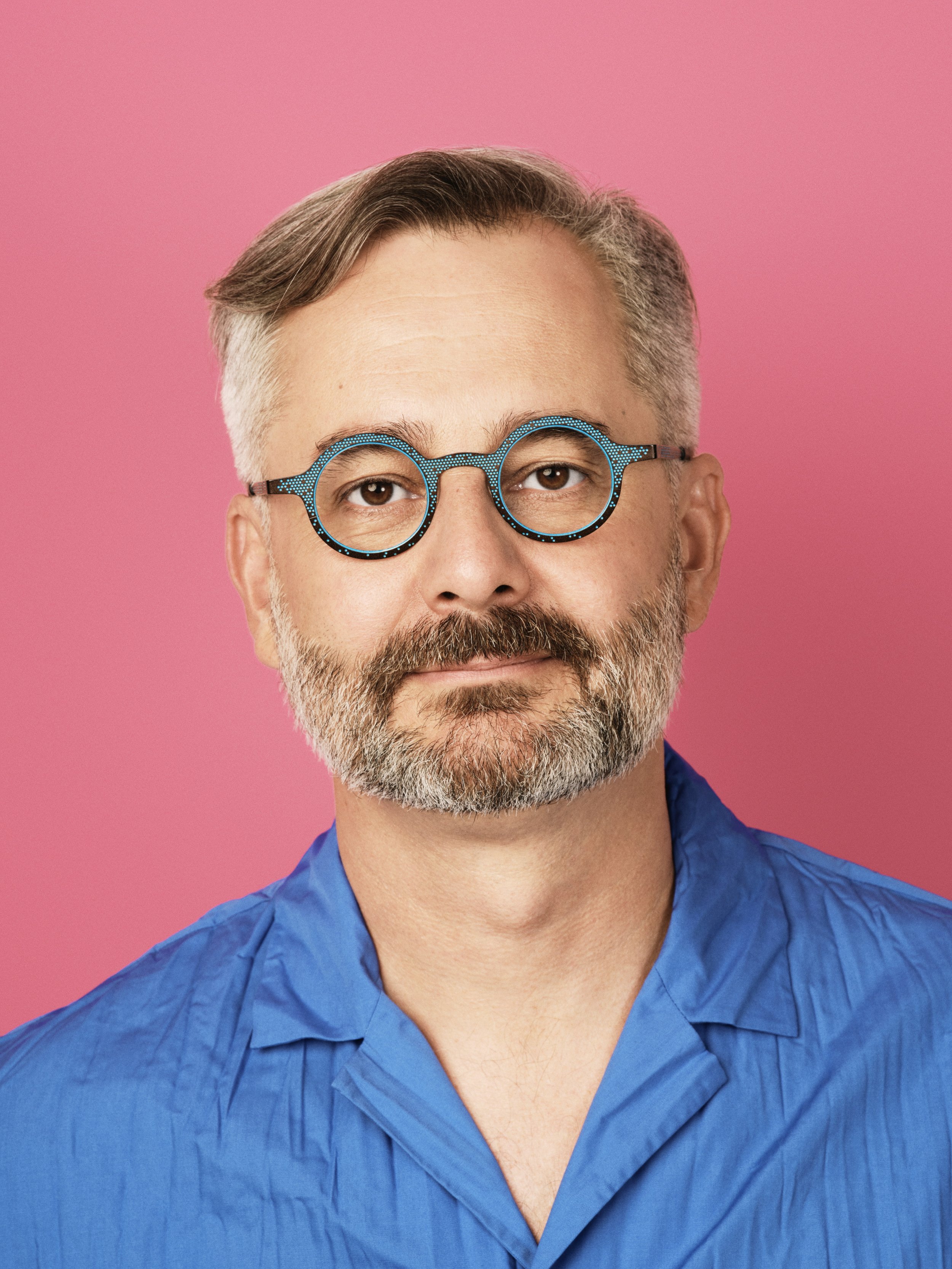
Albert-László Barabási, Ph.D.
Northeastern University
Albert-László Barabási is a Distinguished University Professor at Northeastern University, where he directs the Center for Complex Network Research, with additional appointments at Harvard Medical School and Central European University. His research focuses on complex networks and network medicine, with applications to biology, aging, and human health. He is the author of Linked, Bursts, and The Formula, a member of the U.S. National Academy of Sciences and several other national academies, and has received honors including the Lilienfeld Prize, the John von Neumann Medal, and multiple honorary doctorates.
-
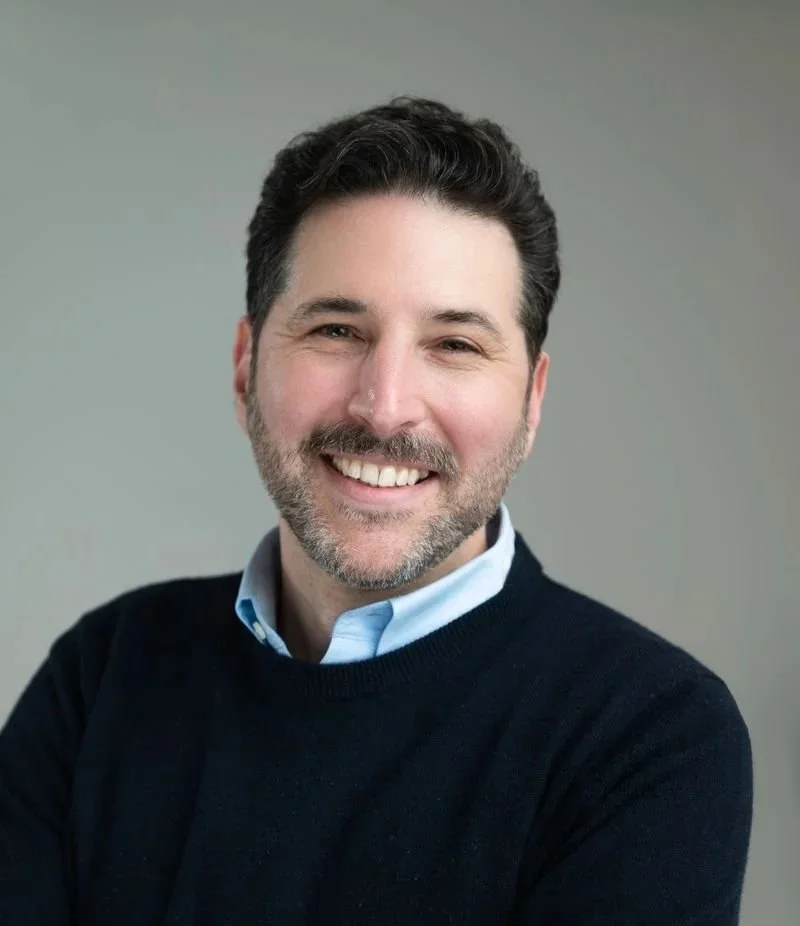
Dan Belsky, Ph.D.
Robert N Butler Columbia Aging Center, Columbia University Mailman School of Public Health
Dan Belsky is associate professor of epidemiology in the Robert N Butler Columbia Aging Center, where he directs the Center’s Geroscience Computational Core. He is an inventor of the DunedinPACE and FraminghamPACE epigenetic clocks, the 2025 Vincent Cristofalo Rising Star Awardee of the American Federation for Aging Research, and a Fellow of the Academy of Geroscience.
-
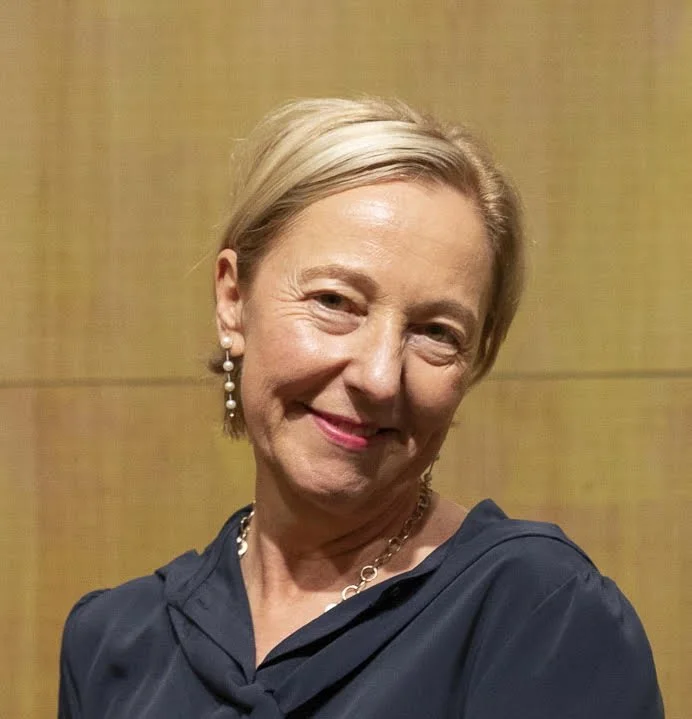
Heike A. Bischoff-Ferrari, MD, MPH, DrPH.
Swiss Campus for Healthy Longevity, University of Basel
Prof. Bischoff-Ferrari is Director of the Swiss Campus for Healthy Longevity and Coordinator of the Global Health Span Extension Consortium. She is experienced in coordinating large translational research networks, including the European 5-country DO-HEALTH consortium and the Global Health Span Extension Consortium.
-
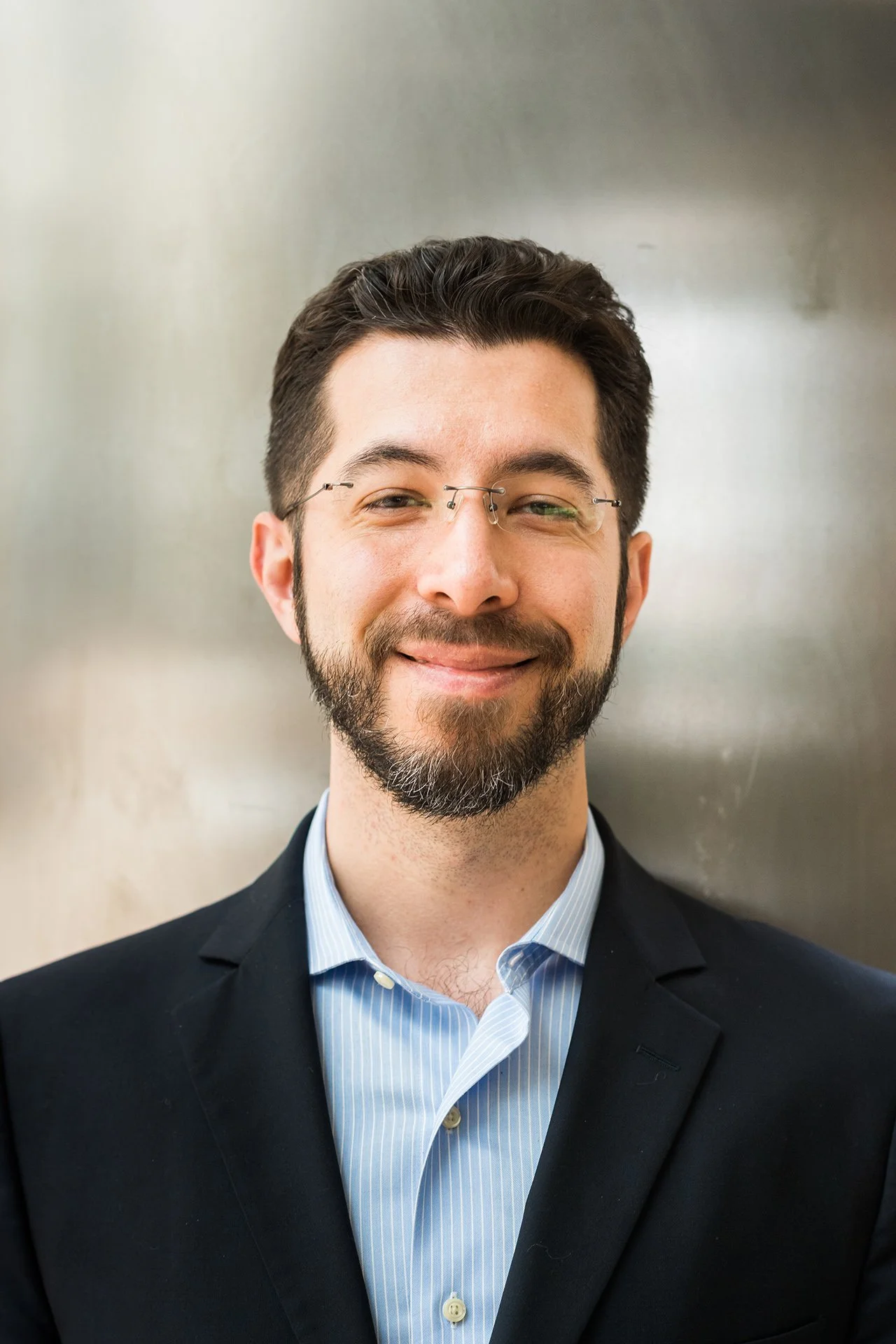
Ed Boyden, Ph.D.
MIT
Ed Boyden is Y. Eva Tan Professor in Neurotechnology at MIT, an investigator at the MIT McGovern Institute and the Yang Tan Collective, and professor of Brain and Cognitive Sciences, Media Arts and Sciences, and Biological Engineering at MIT. He leads the Synthetic Neurobiology Group, which develops technologies for analyzing and repairing the brain, and co-founded the Mindspan Institute in 2026 to advance large-scale human brain analysis.
-
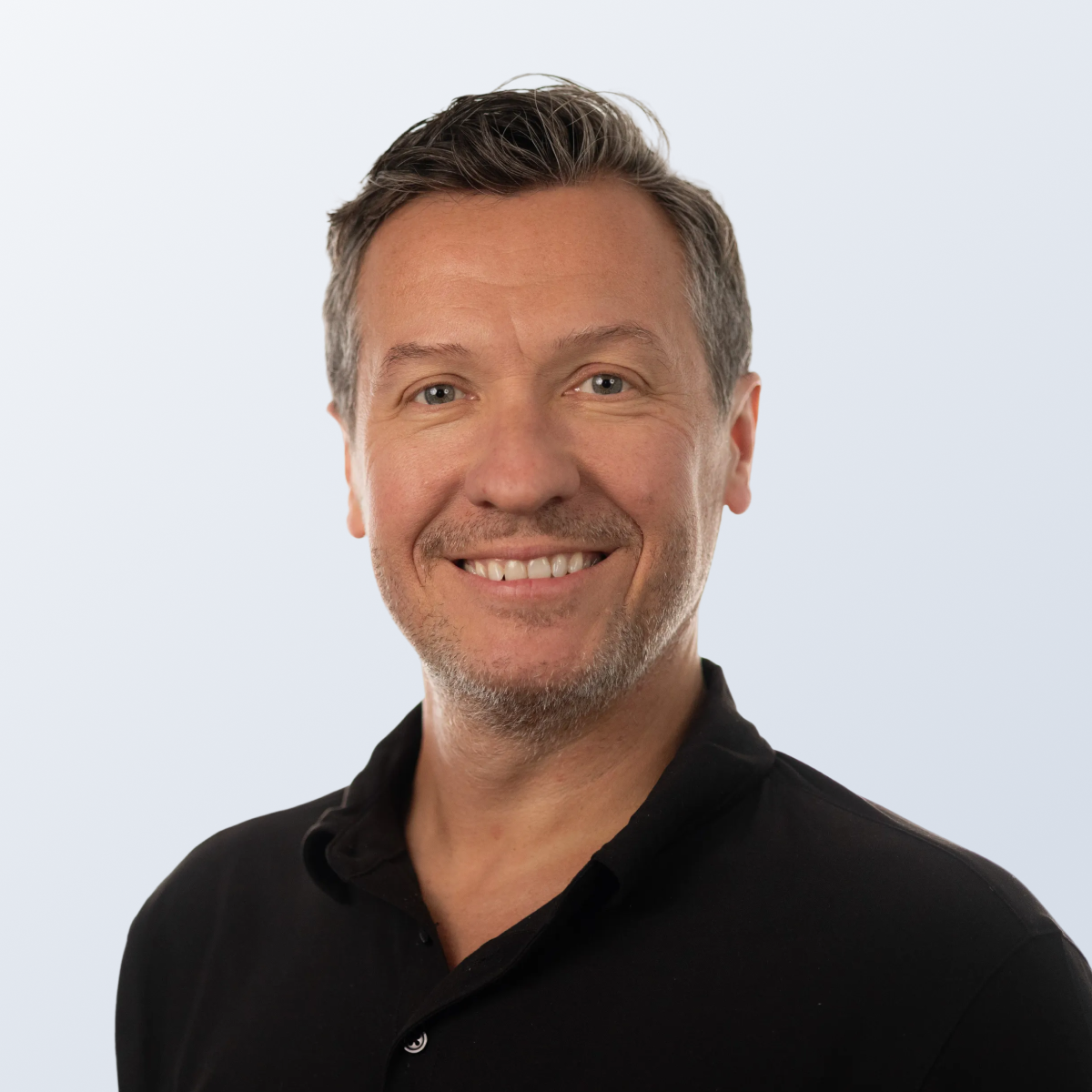
Andrew Brack, Ph.D.
ARPA-H
Dr. Andrew Brack has served as a Program Manager at ARPA-H since 2024, where he developed the PROSPR Program to advance novel clinical endpoints for aging and test therapeutics that directly target the aging process. He came to the role following a career as an academic and biotech founder of longevity company Arrive Bio, including 16 years leading laboratories focused on skeletal muscle repair during aging. Brack received a Ph.D. in molecular biology and biophysics from King’s College London and completed two postdoctoral fellowships, one at King’s College London and the second at Stanford University.
-
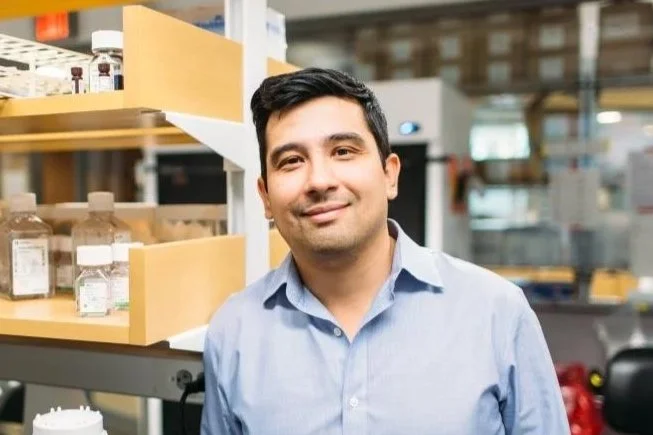
Jason Buenrostro, Ph.D.
Harvard University, Broad Institute
Dr. Jason Buenrostro is a Professor at Harvard University whose laboratory develops single cell and spatial epigenomic technologies to understand how gene regulation changes across development, disease, and aging. Dr. Buenrostro's work focuses on decoding the noncoding genome, identifying epigenetic mechanisms that record environmental and physiological exposures, and translating these insights into biomarkers and predictive models of human health.
-
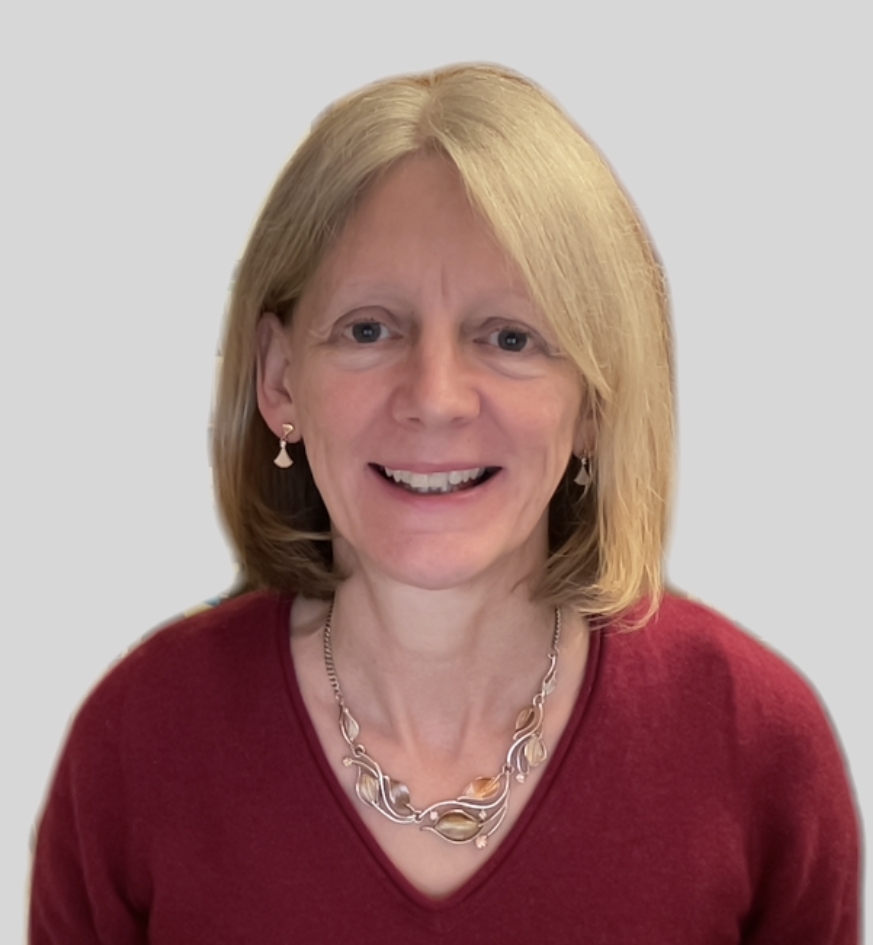
Lynne Cox, Ph.D.
Wellcome Leap Dynamic Resilience program; Department of Biochemistry, University of Oxford
Lynne Cox is the Program Director of Wellcome Leap's Dynamic Resilience global research program, which aims to identify biomarkers and mechanisms of resilience and evaluate them in clinical studies to reduce frailty. She is also Professor of Geroscience at the University of Oxford, where her research focuses on cellular senescence and geroprotective interventions.
-
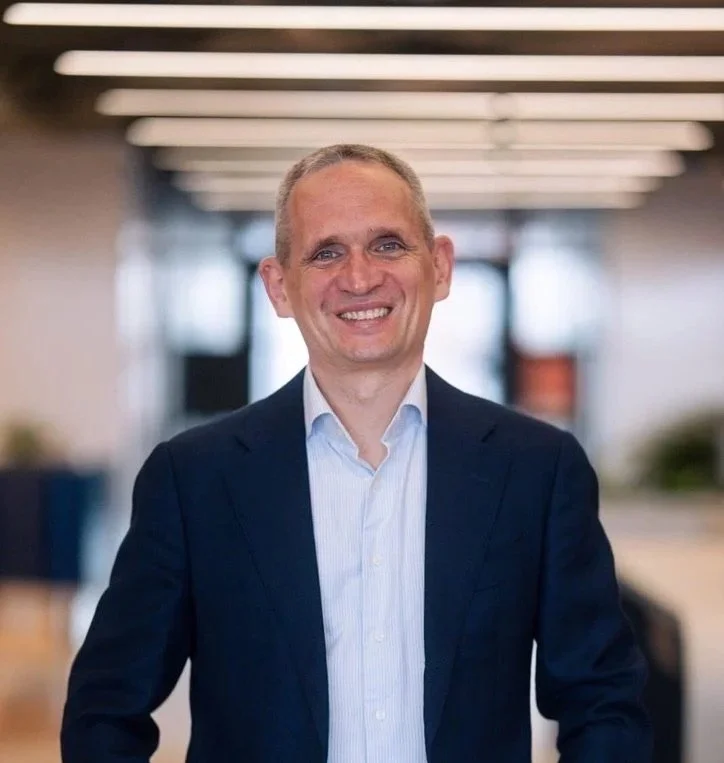
Peter Fedichev, Ph.D.
Gero and NUS (Singapore)
Peter Fedichev is a physicist-turned-biotech entrepreneur, Co-founder & CEO of Gero, a company applying physics-informed AI and large-scale human data to discover therapies that slow aging and treat age-related diseases. His research focuses on quantitative models of aging, biomarkers across species, and novel physical concepts underlying aging.
-
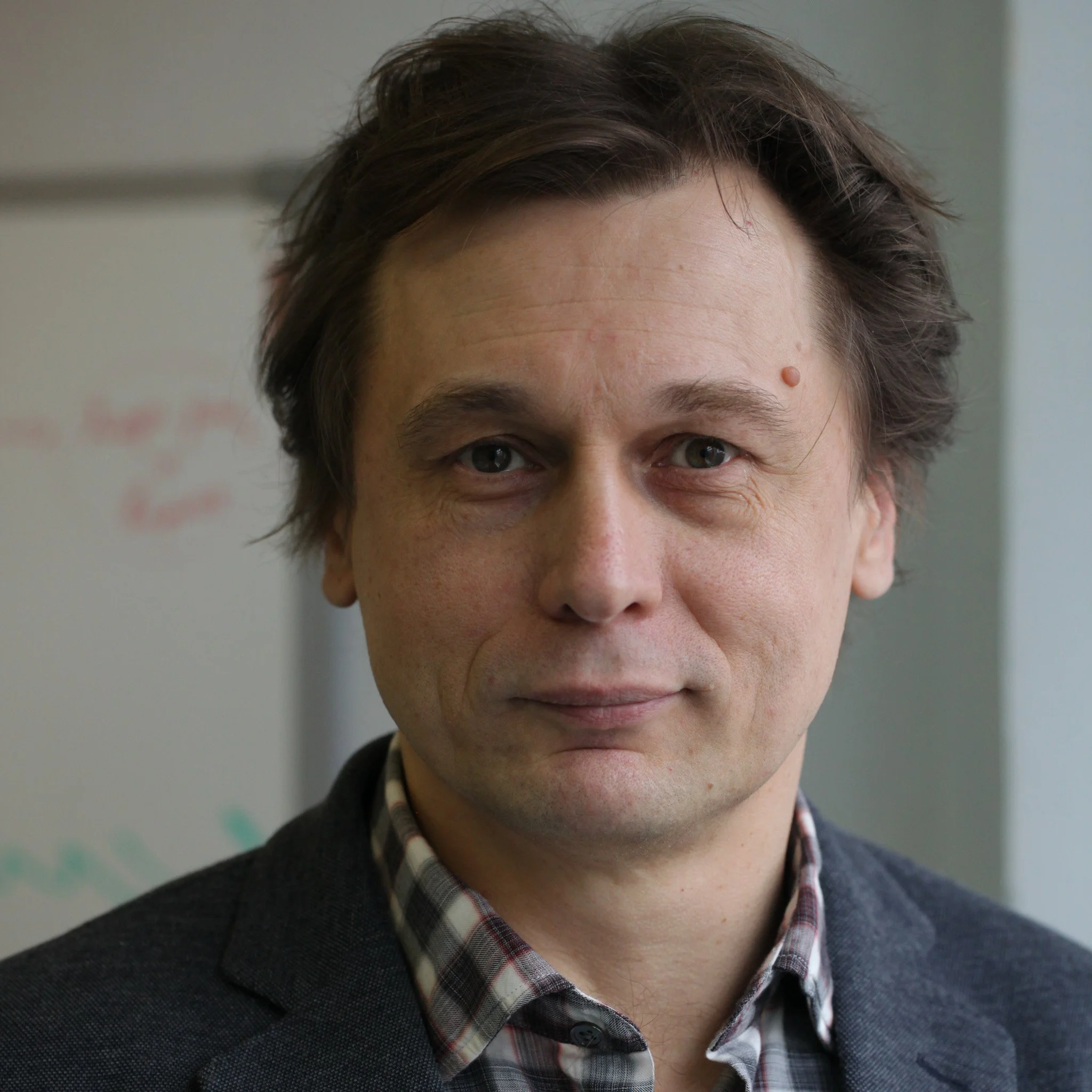
Vadim Gladyshev, Ph.D.
Harvard Medical School
Dr. Vadim Gladyshev is a Professor of Medicine at Harvard Medical School and Director of Redox Medicine at Brigham & Women's Hospital. His research focuses on aging clocks and other biomarkers of biological age, advancing the understanding and measurement of the aging process.
-
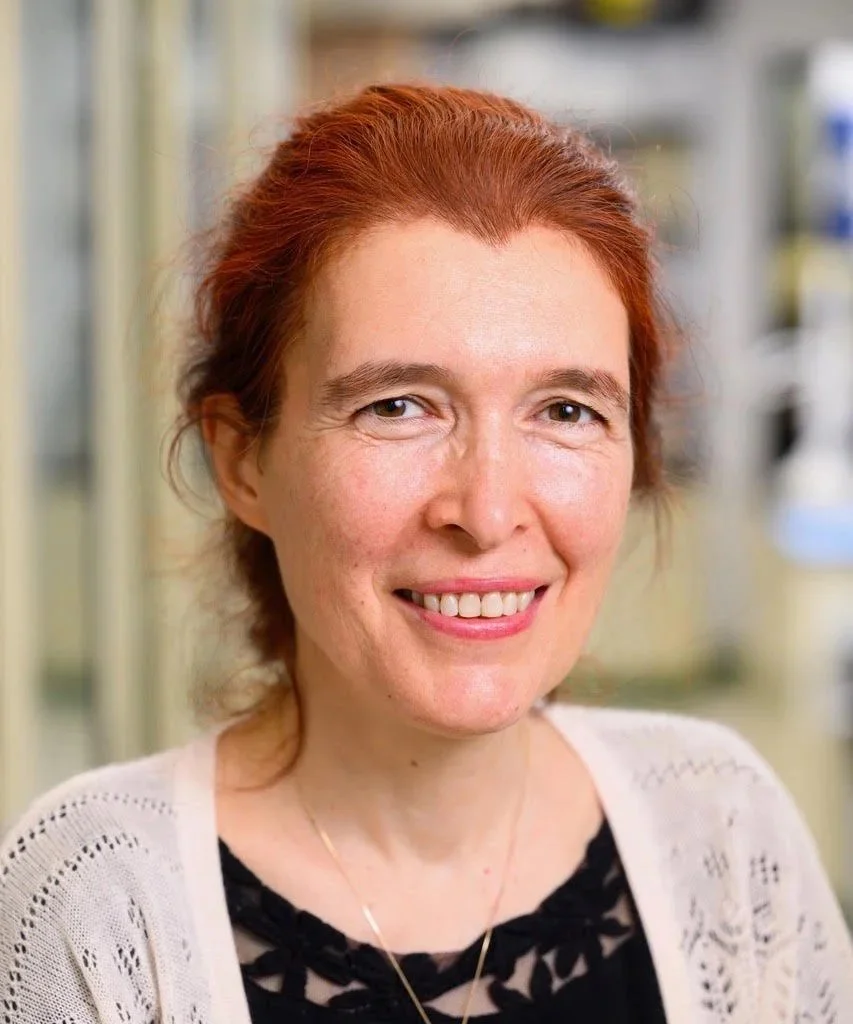
Vera Gorbunova, Ph.D.
University of Rochester
Vera Gorbunova is an endowed Professor of Biology at the University of Rochester and a director of the Rochester Aging Research Center and of Nathan Shock Center of Excellence in aging research. Her research is focused on understanding the mechanisms of longevity and genome stability and on the studies of exceptionally long-lived mammals.
-
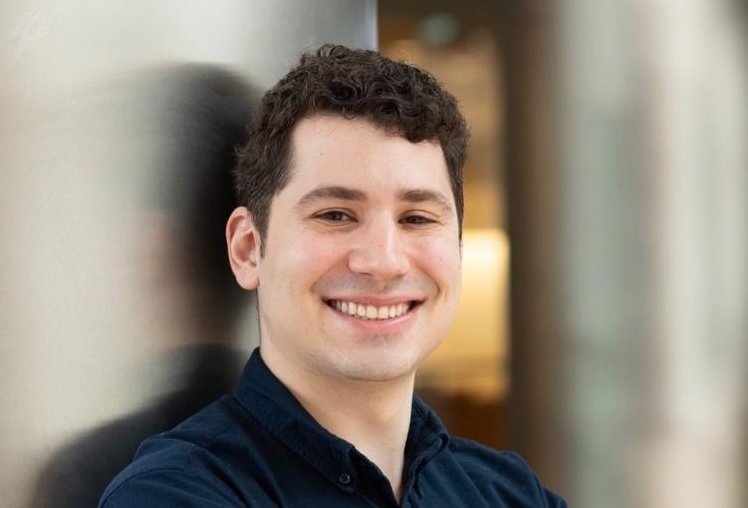
Jonathan Gootenberg, Ph.D.
Harvard University
Jonathan Gootenberg, Ph.D., is an Assistant Professor of Medicine at Harvard Medical School, an Investigator at Beth Israel Deaconess Medical Center and the Center for Vaccine and Virology Research, and an affiliate member of the Broad Institute. He is co-PI of the Abudayyeh-Gootenberg lab, which develops programmable biological tools, nucleic acid medicines, and machine learning approaches to advance research in aging and longevity.
-
Cynthia Grossman, Ph.D.
U.S. Food and Drug Administration
Dr. Grossman serves as Director of the Division of Patient-Centered Development within the Center for Devices and Radiological Health at the U.S. Food and Drug Administration, where she leads efforts to advance patient-centered approaches in medical product development. As a social and behavioral scientist, she has dedicated her career to developing methods that incorporate the perspectives of patients, caregivers, and communities into biomedical research, healthcare delivery, and regulatory science. Her work spans government, industry, nonprofit organizations, and academic research, with leadership experience in real-world evidence, patient-centered outcomes research, behavioral science, and digital health innovation.
-
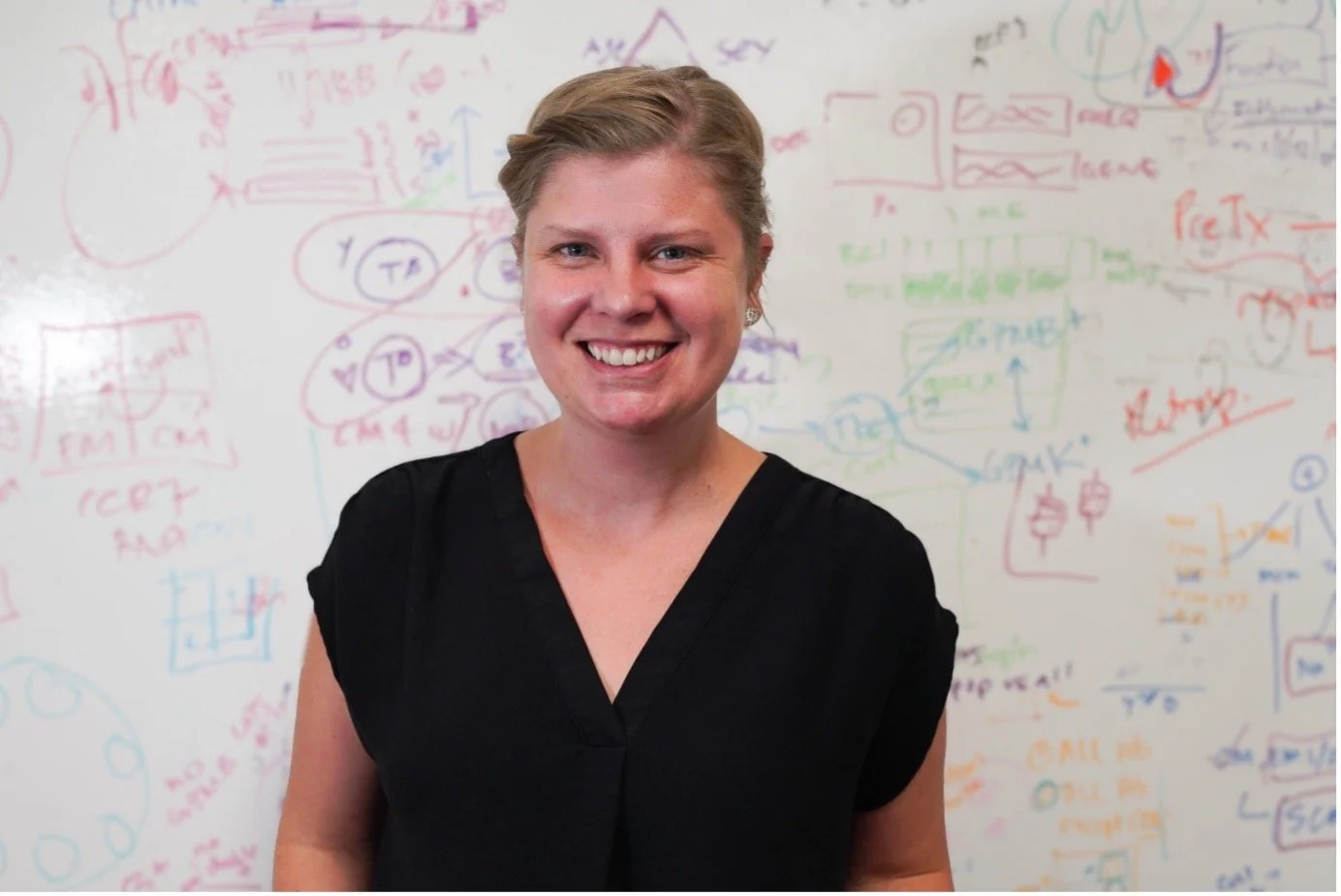
Clare E. Gustafson, Ph.D.
Allen Institute
Claire Gustafson, Ph.D. is an Assistant Investigator at the Allen Institute, where she leads research focused on understanding normal human immunity across the lifespan. Her group utilizes high-dimensional multi-omics and novel model systems to uncover mechanisms of immune homeostasis, infection, vaccination responses, and immune aging, including development of the Human Immune Health Atlas.
-
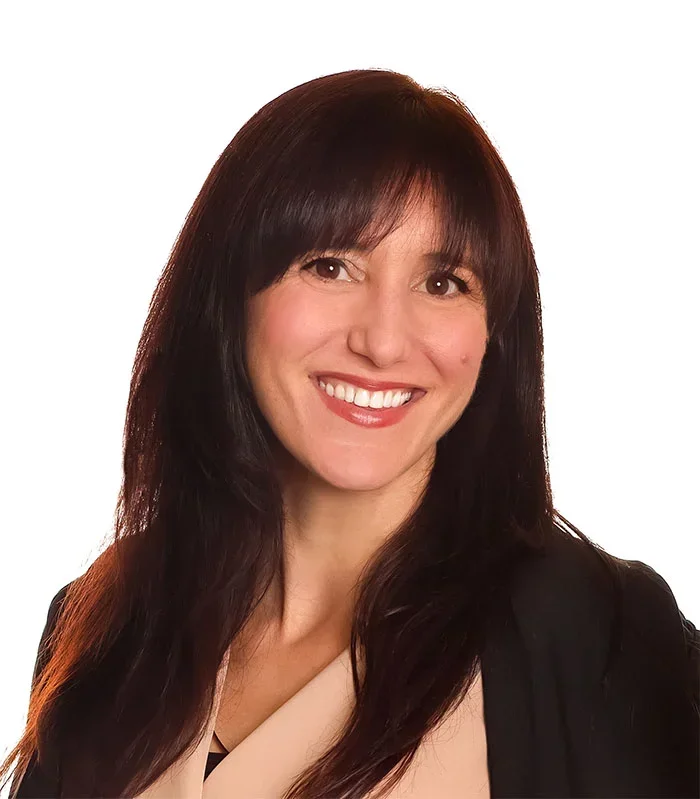
Jamie Justice, Ph.D.
XPRIZE Healthspan
Dr. Jamie Justice is the Executive VP Health Domain, Director of the $101M Healthspan Prize at XPRIZE Foundation, and Adjunct Professor in Internal Medicine at Wake Forest University School of Medicine (WFUSM). She was the recipient of the Jarrahi Research Scholars Fund in Geroscience Innovation, the 2022 Vincent Cristofalo Rising Star in Aging Research, and the 2022 NIA Nathan W Shock Awardee. Her training background at University of Colorado Boulder, academic research at WFUSM, and global leadership at XPRIZE advance translation of therapeutics to improve human healthspan and ovarian function.
-
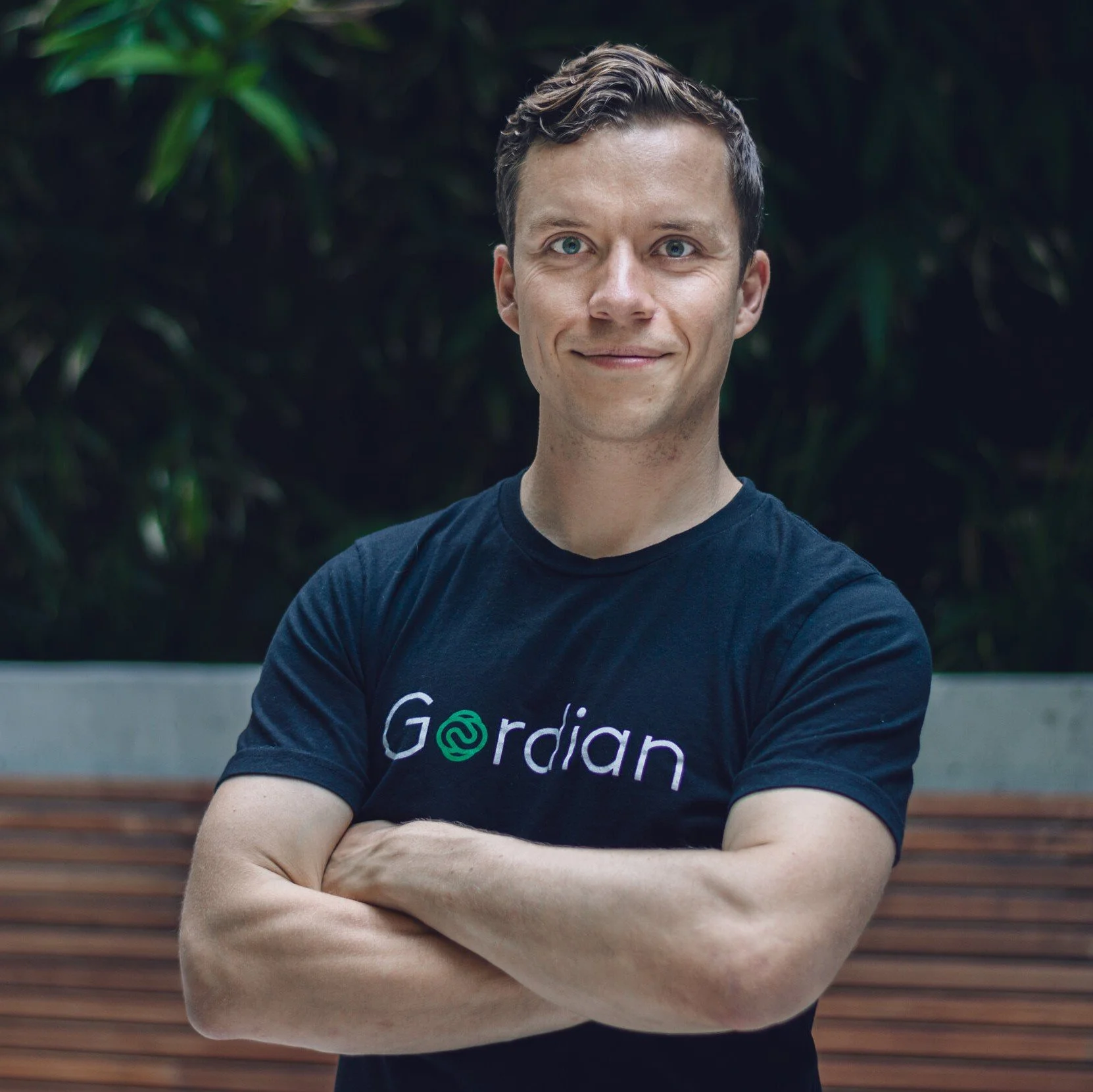
Martin Borch Jensen, PhD.
Gordian Biotechnology
Martin Borch Jensen is the cofounder and CSO of Gordian Biotechnology, which systemically generates causal atlases of pathophysiology to find treatments for age-related disease, and founder of Norn Group, a non-profit dedicated to accelerating progress in longevity.
-
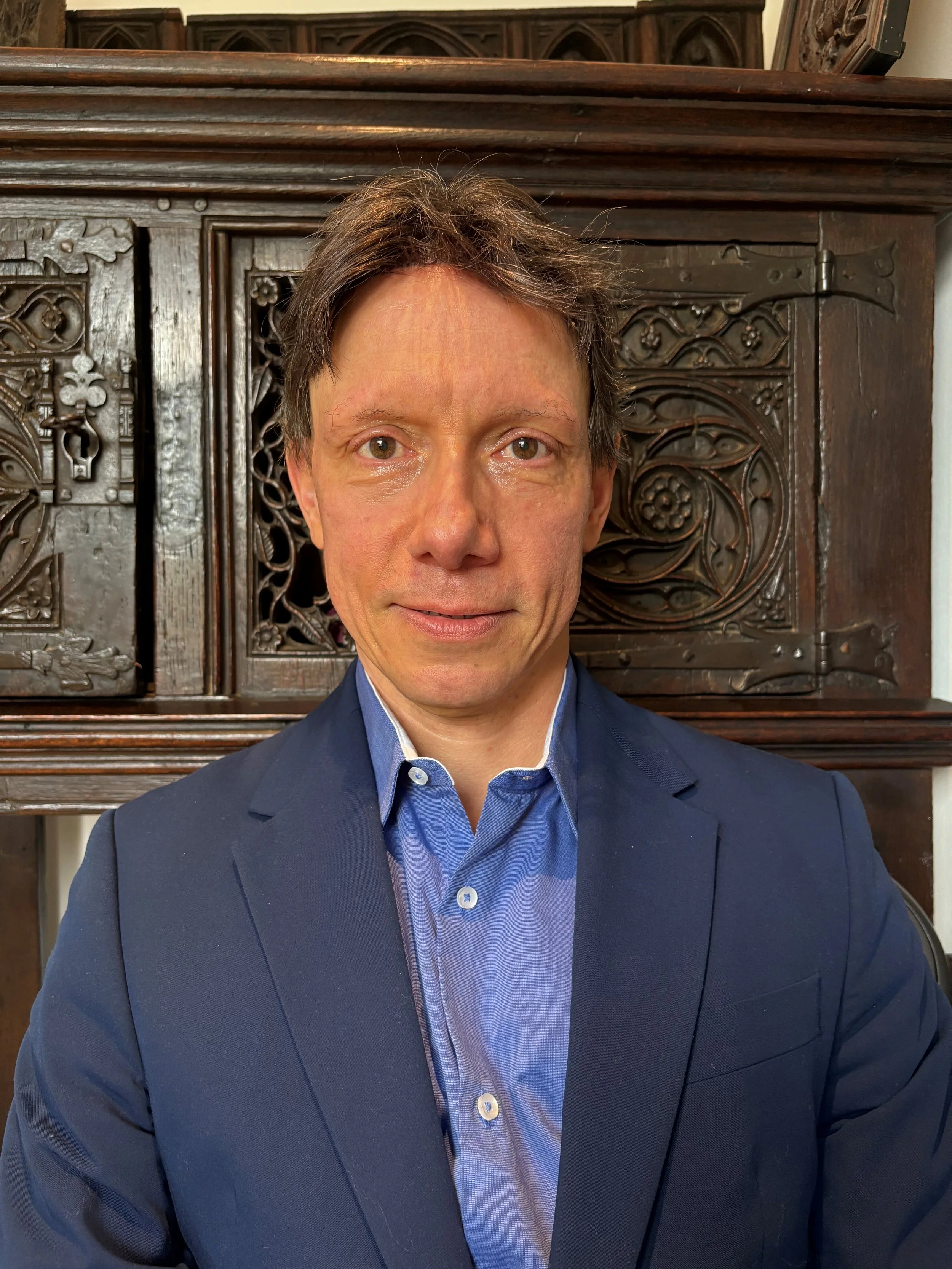
Steve Horvath, Ph.D.
University of California, Los Angeles
Steve Horvath is Professor of Medicine in the Division of Geriatrics at the David Geffen School of Medicine, UCLA, and Director of Aging Biology Research in the Department of Medicine. His research centers on epigenetic biomarkers of aging; he developed the epigenetic clock and related DNA methylation-based age estimators used widely in aging research, and he founded the non-profit Epigenetic Clock Development Foundation.
-
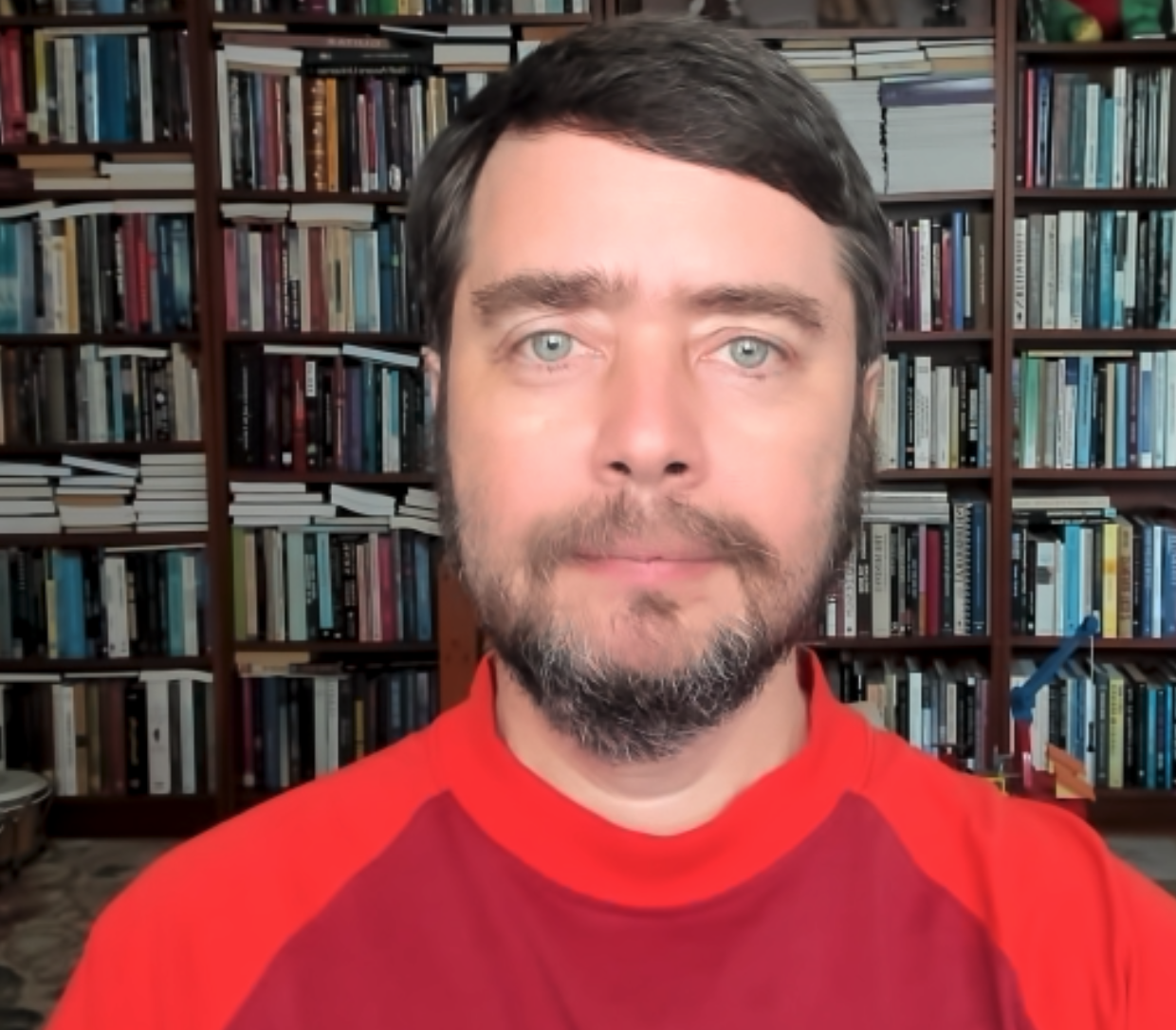
Michael Levin, Ph.D.
Tufts University
Dr. Michael Levin is the Vannevar Bush Distinguished Professor of Biology at Tufts University and Director of the Allen Discovery Center. His research explores how bioelectric dynamics across cell groups serve as the basis for memory and decision-making in the construction and repair of complex living bodies. By developing tools to read, model, decode, and re-write the information content of cellular collective intelligence in vivo, his group has produced new applications in birth defects, regeneration, and cancer, now adding aging to the roadmap.
-
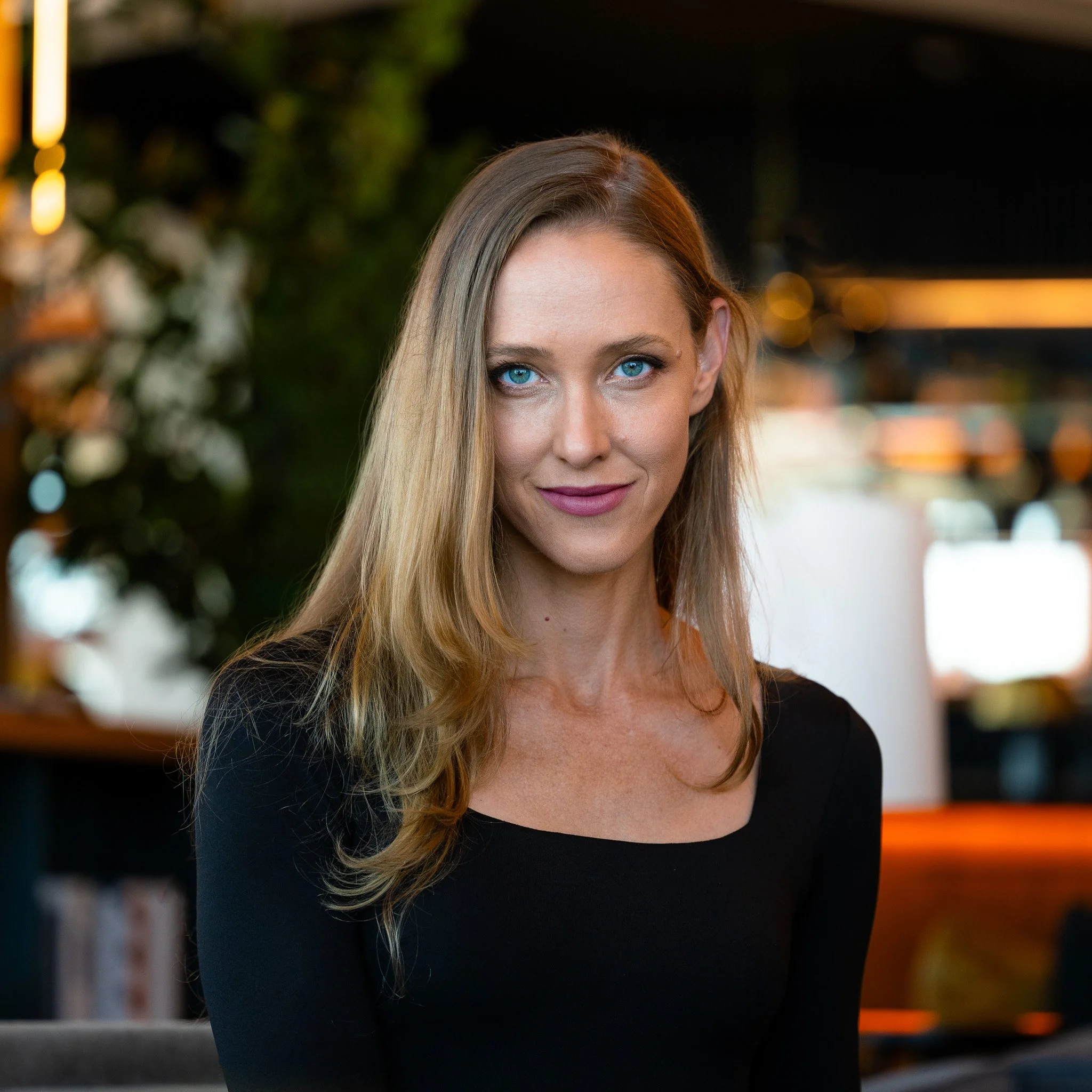
Morgan Levine, Ph.D.
Stealth Company
Morgan Levine, PhD is a computational scientist and entrepreneur working at the intersection of AI and biology. She is a leading researcher in the biology of aging and the developer of widely used approaches for quantifying biological age. Today, Morgan is building multimodal, multi-scale, multispecies world models of biology that move beyond narrow predictive models toward biological superintelligence.
-
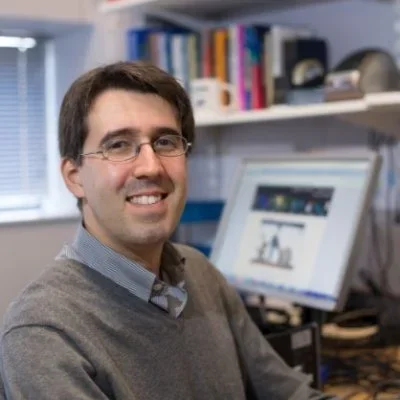
João Pedro de Magalhães, Ph.D.
Department of Inflammation and Aging, College of Medicine and Health, University of Birmingham
Prof de Magalhães leads the Genomics of Ageing and Rejuvenation Lab at the University of Birmingham. His lab integrates genomics, machine learning, and experimental biology to study aging and develop interventions that delay age-related diseases and improve human health. He also serves as Chief Scientific Officer of YouthBio Therapeutics, developing rejuvenation gene therapies.
-
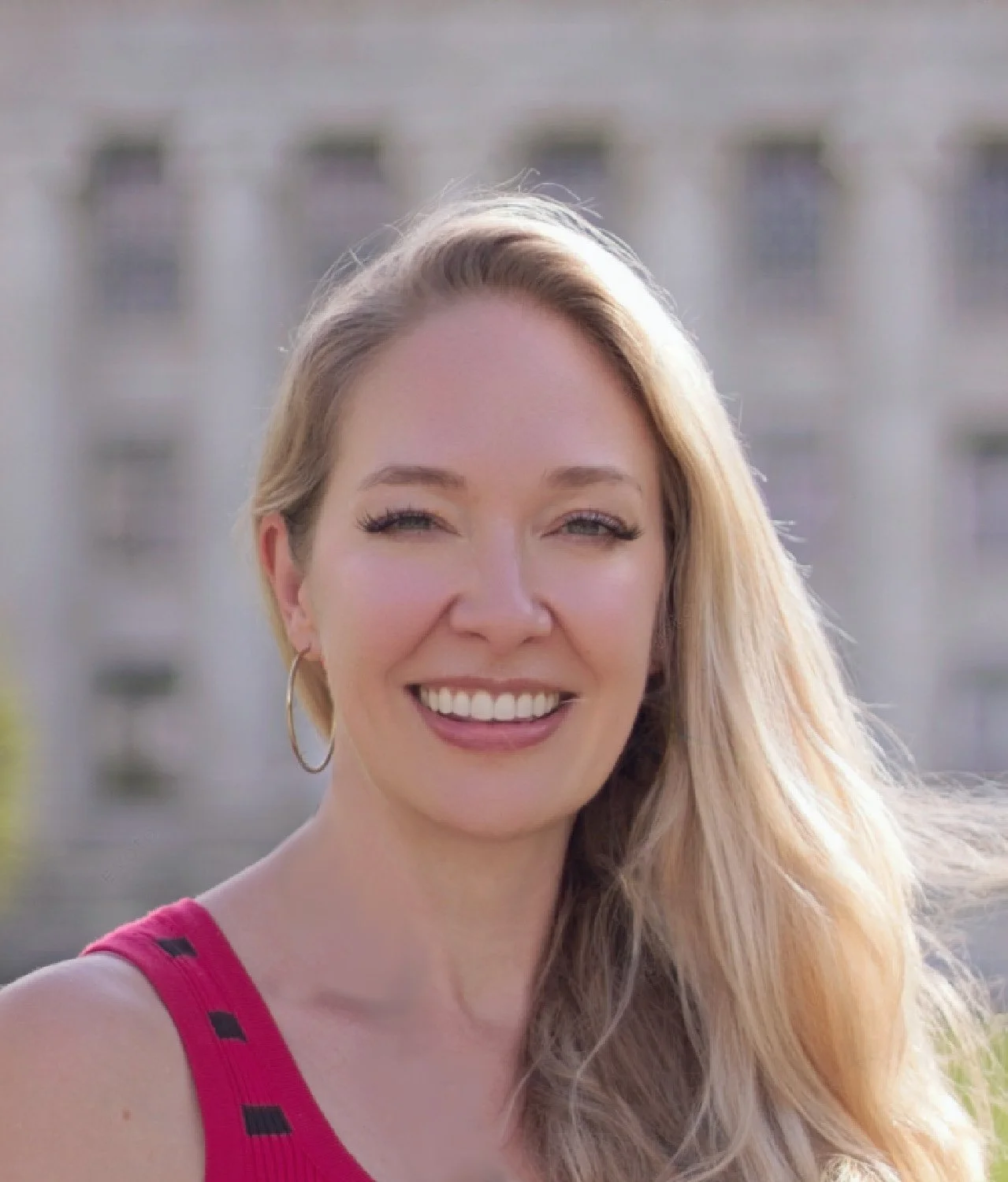
Samantha Morris, Ph.D.
Brigham and Women's Hospital, and Harvard Medical School
Samantha Morris is an Associate Professor of Medicine at Harvard Medical School and Principal Investigator at Brigham and Women's Hospital. Her laboratory develops and applies functional single-cell genomic technologies to understand how gene regulatory networks control cell fate decisions in development, regeneration, aging, and disease. By combining lineage tracing, transcription factor recording, and computational modeling, her group seeks to uncover the regulatory principles that govern cell identity and enable cell fate engineering.
-
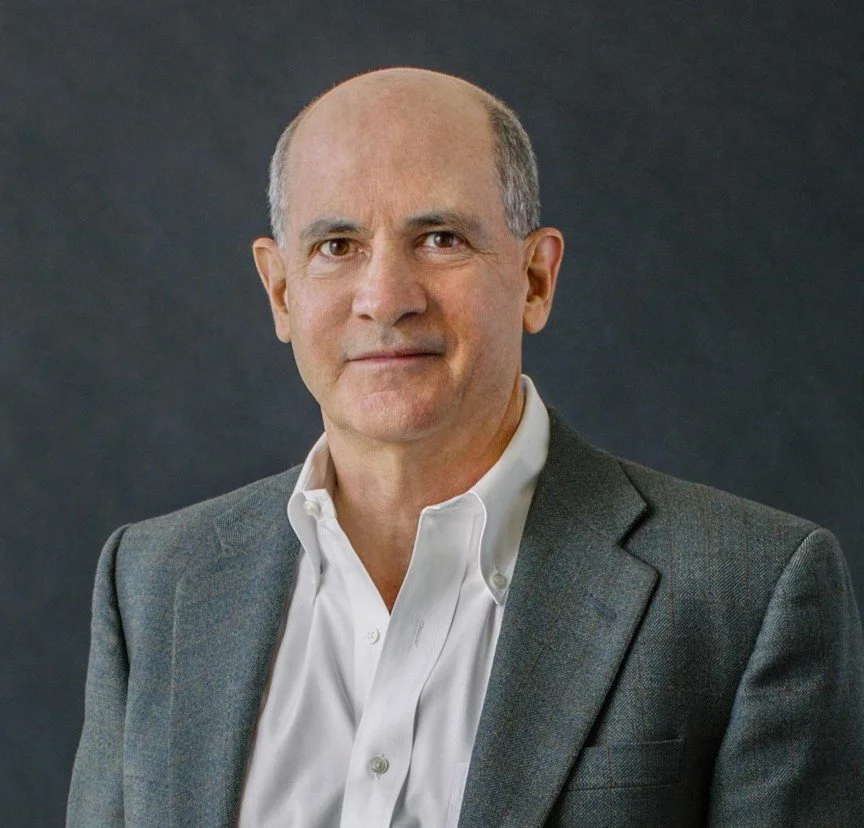
Thomas A. Rando, M.D., Ph.D.
University of California, Los Angeles
Dr. Rando is the Director of the Broad Stem Cell Research Center at UCLA where he is a professor of Neurology and Molecular, Cell, and Developmental Biology. His lab has been a leader in stem cell biology and aging, pioneering the use of heterochronic parabiosis to study molecular, cellular, and organismal aging.
-
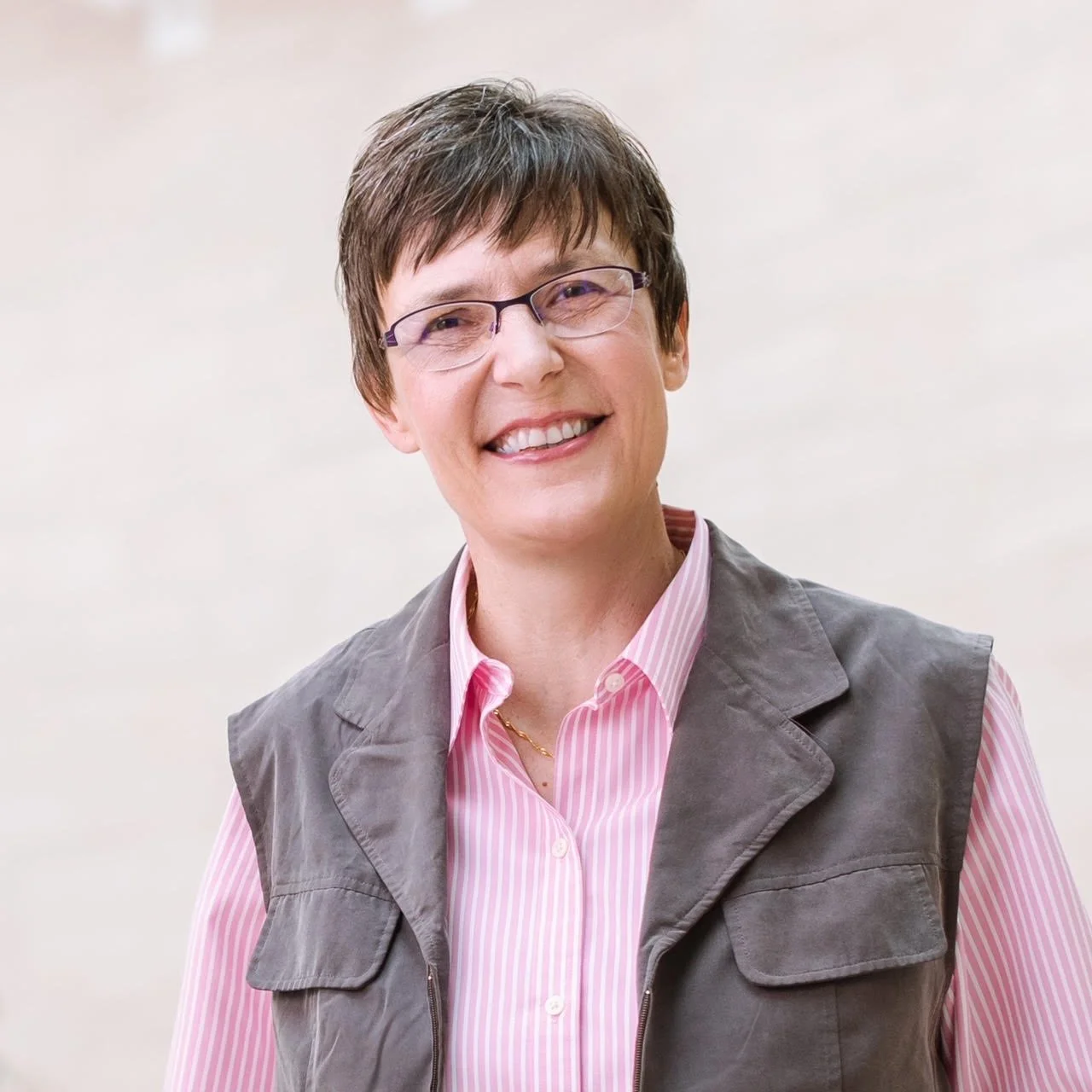
Birgit Schilling, Ph.D.
Buck Institute
Dr. Birgit Schilling works at the Buck Institute for Research on Aging in the San Francisco Bay Area since 2000, where she leads her own laboratory as Professor and serves as Director of the Mass Spectrometry and Proteomics Technology Center. Her research focuses on proteomics, biomarker discovery, and translational approaches to improve aging and age-related diseases.
-
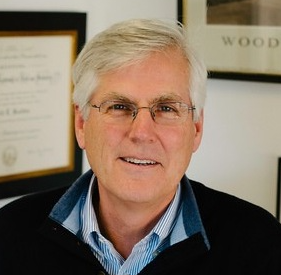
David Scadden, MD.
Harvard Stem Cell Institute
Dr. David Scadden is the Gerald and Darlene Jordan Professor of Medicine and Professor of Stem Cell and Regenerative Biology at Harvard. He co-founded and co-directs the Harvard Stem Cell Institute and is a member of the Krantz Family Center for Cancer Research at MGB and an affiliate of the Broad Institute.
-
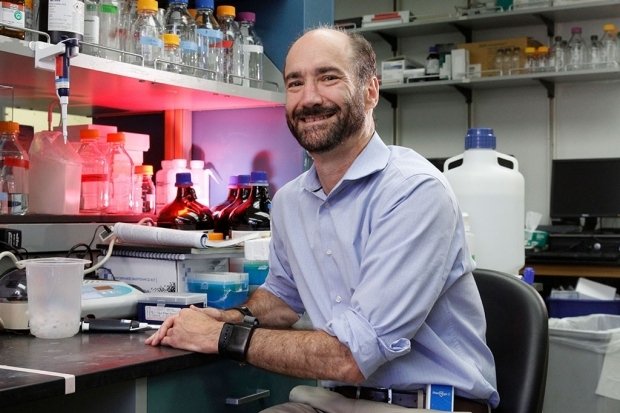
Mike Snyder, Ph.D.
Stanford School of Medicine
Dr. Michael Snyder is the Stanford W. Ascherman Professor and Director of the Center for Genomics and Personalized Medicine at Stanford University. Dr. Snyder's innovative work utilizes big data generated through high-throughput technologies, including genomics, proteomics, and wearable devices, to monitor disease onset and progression in real time as well as aging.
-
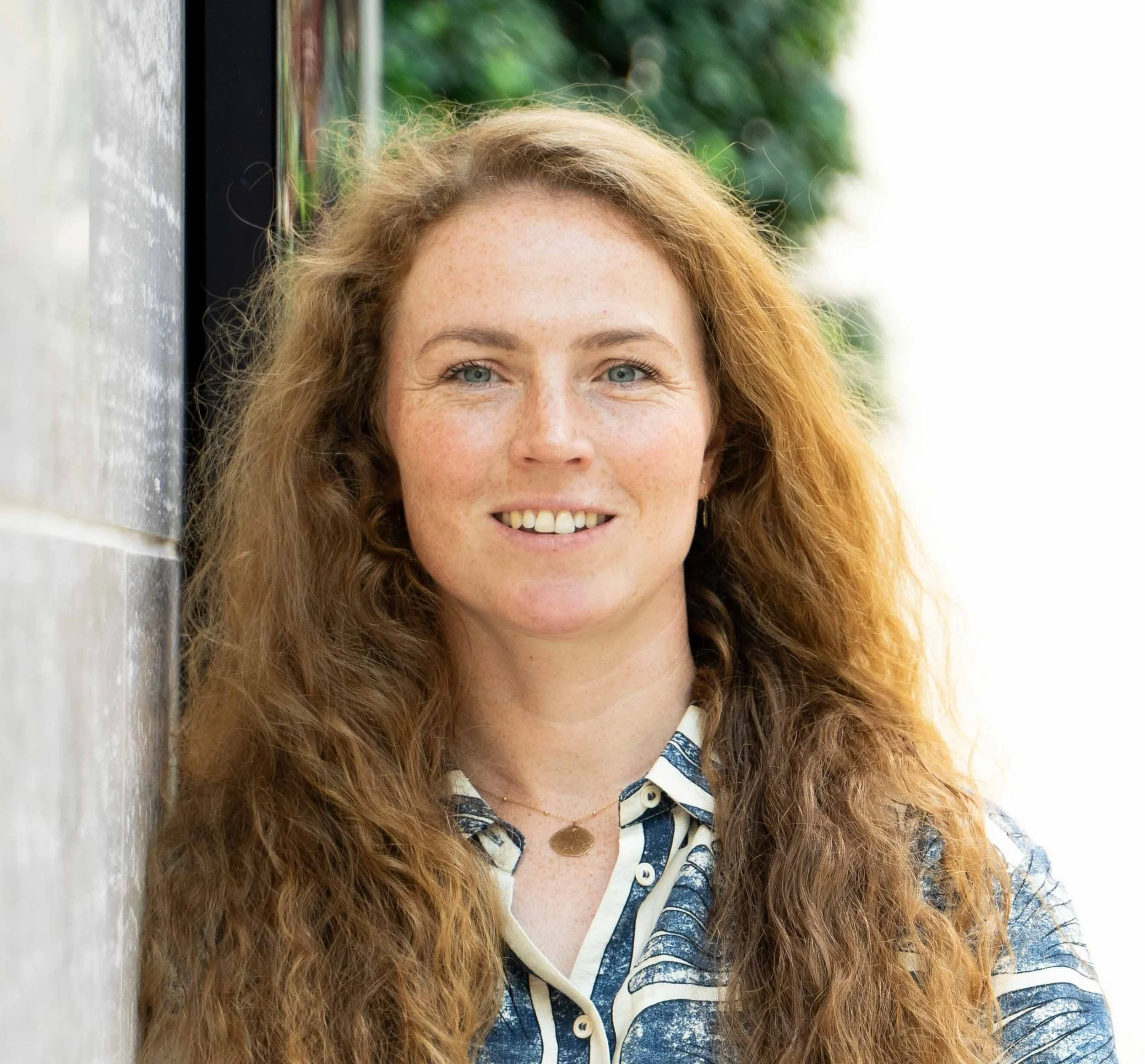
Brianna Stubbs, Ph.D.
Buck Institute
Dr. Stubbs is an Assistant Professor and Director of Translational Science at The Buck Institute for Research on Aging, where she studies ketone esters for healthy aging. She completed her PhD in Metabolic Physiology at the University of Oxford and was a two-time World Champion in lightweight rowing for Team Great Britain. She later served as Research Lead at a San Francisco start-up, where she launched the world’s first ketone ester consumer product and secured $6M in funding from the US Special Operations Command to study exogenous ketones in extreme environments. In 2023, she co-established the Buck Clinical Geroscience Unit to conduct the first onsite clinical studies at The Buck.
-
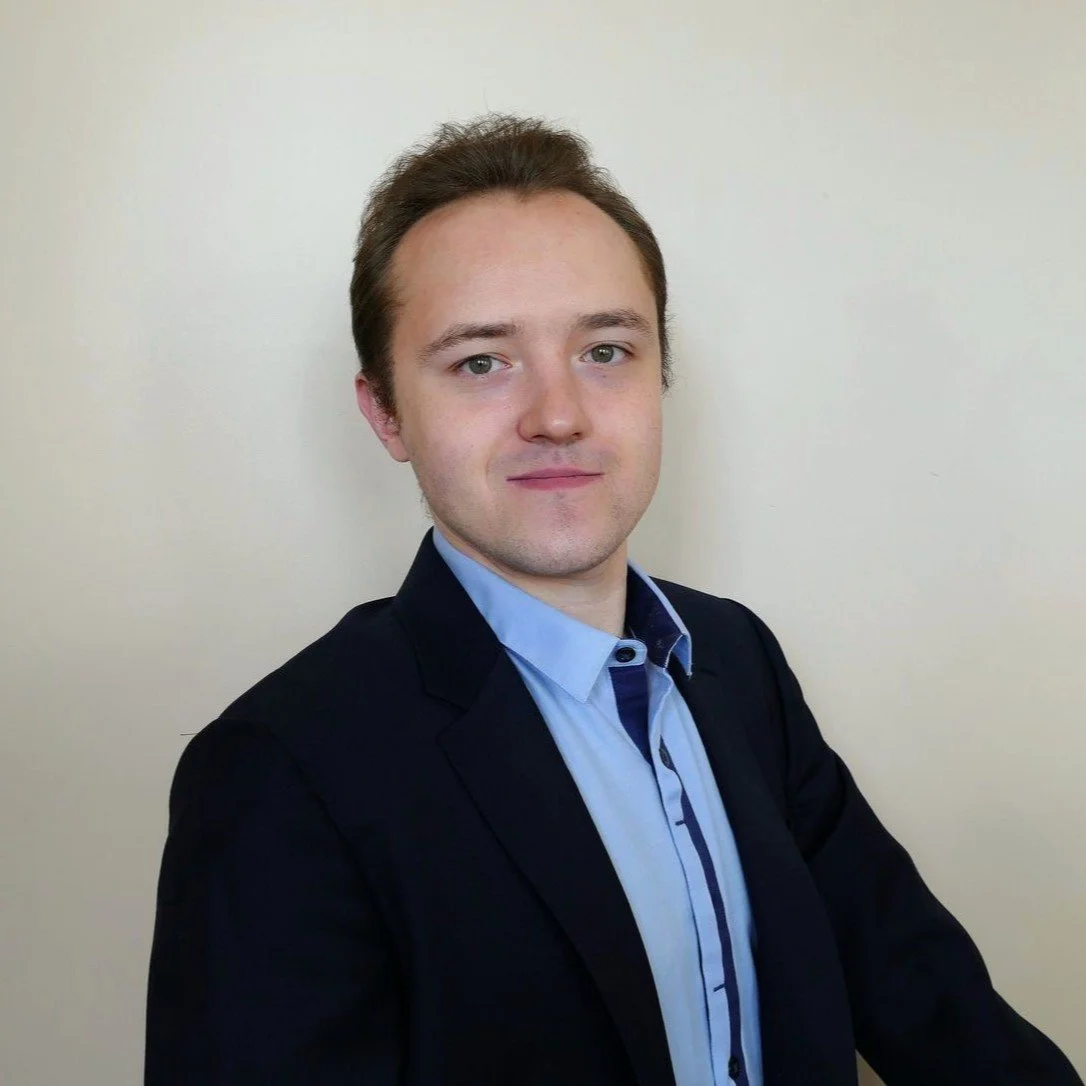
Alexander Tyshkovskiy, Ph.D.
Brigham and Women’s Hospital and Harvard Medical School
Dr. Alexander Tyshkovskiy is an Investigator at Brigham and Women's Hospital and an Instructor in Medicine at Harvard Medical School. His research combines computational biology, machine learning, and comparative biology to identify conserved molecular signatures and mechanisms of aging and lifespan regulation across mammalian species.
How it works:
The Biomarkers of Aging Consortium will choose posters to be presented during Day 1 and Day 2 of the Conference.
Your submission should consist of a short but descriptive title not exceeding 200 characters, a list of authors and affiliations, and an abstract not exceeding 250 words. The abstract is unreferenced and must consist of text only.
Top submissions are eligible for either a 10 minute talk or a 1 minute flash talk. This will provide presenters the unique opportunity to share their work in front of an audience of the leading researchers in the field of biomarkers of aging.
There will be a poster prize selected by a jury of experts, and the winner will receive a prize.
Format: Suggested poster format dimensions are 36" x 48"
Work describing the following themes are most relevant for the Conference:
Novel generation or discovery of biomarkers measuring aging or healthspan.
Methods for improved understanding of currently existing age biomarkers on physical, biological, or mechanistic grounds.
Application and comparison of currently existing biomarkers for measuring age or healthspan in cohort studies. This may include the application of current biomarkers to unique datasets, as well as the use of combinations of biomarkers to yield unique insights.
Effect of longevity interventions on biomarkers of aging.
Use of innovative AI tools for aging research and biomarker development.
- ABSTRACT SUBMISSION IS NOW CLOSED -
2026 Conference Chairs
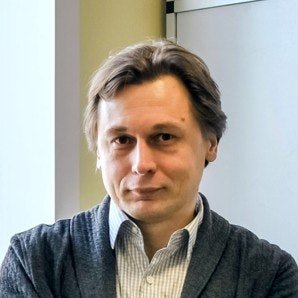

Vadim Gladyshev, Ph.D.
Jesse Poganik, Ph.D.


Mahdi Moqri, Ph.D., M.B.A.
Chiara Herzog, Ph.D.
Organizing Team

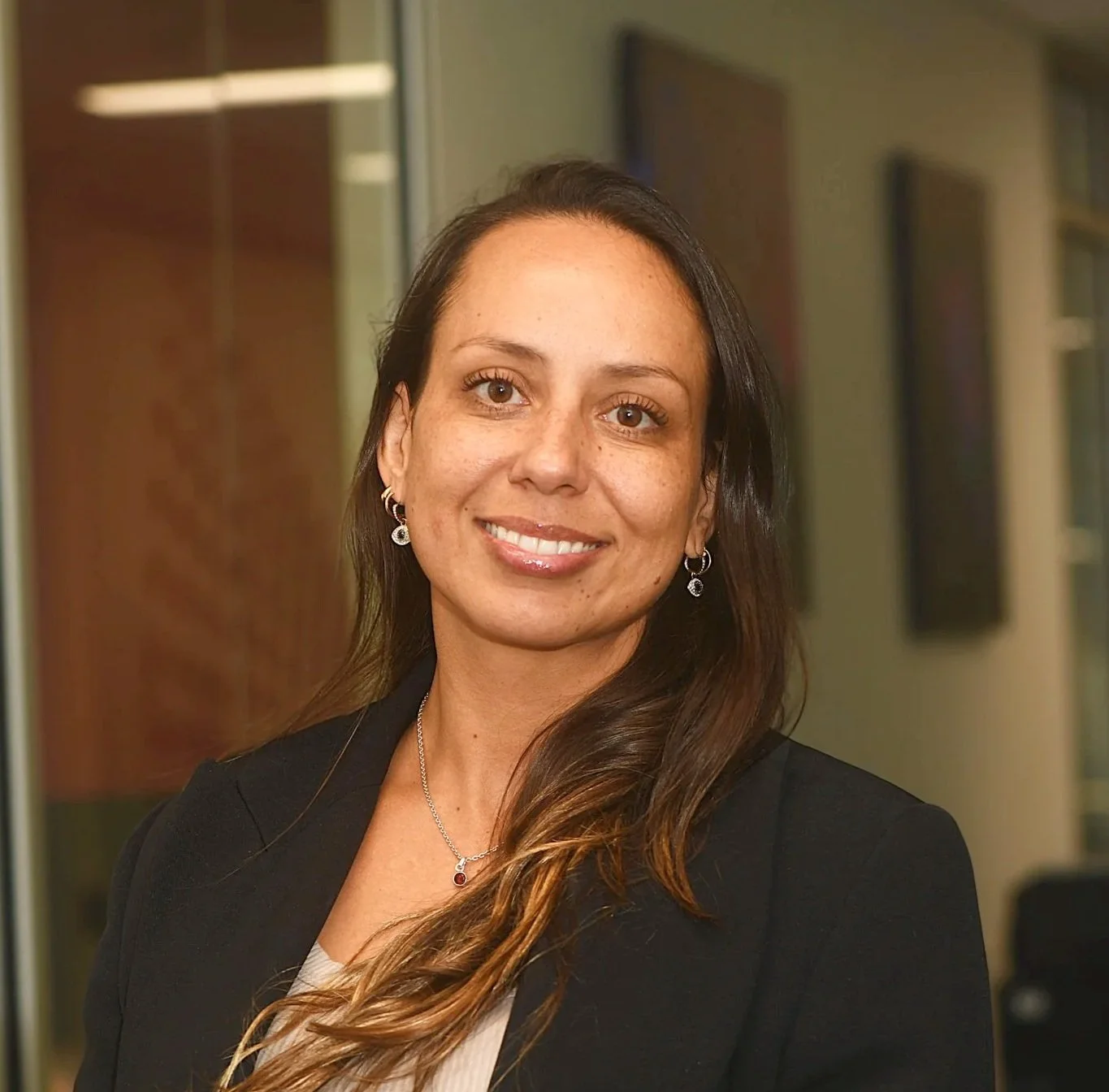
Ludger Goeminne, PhD
Macsue Jacques, PhD
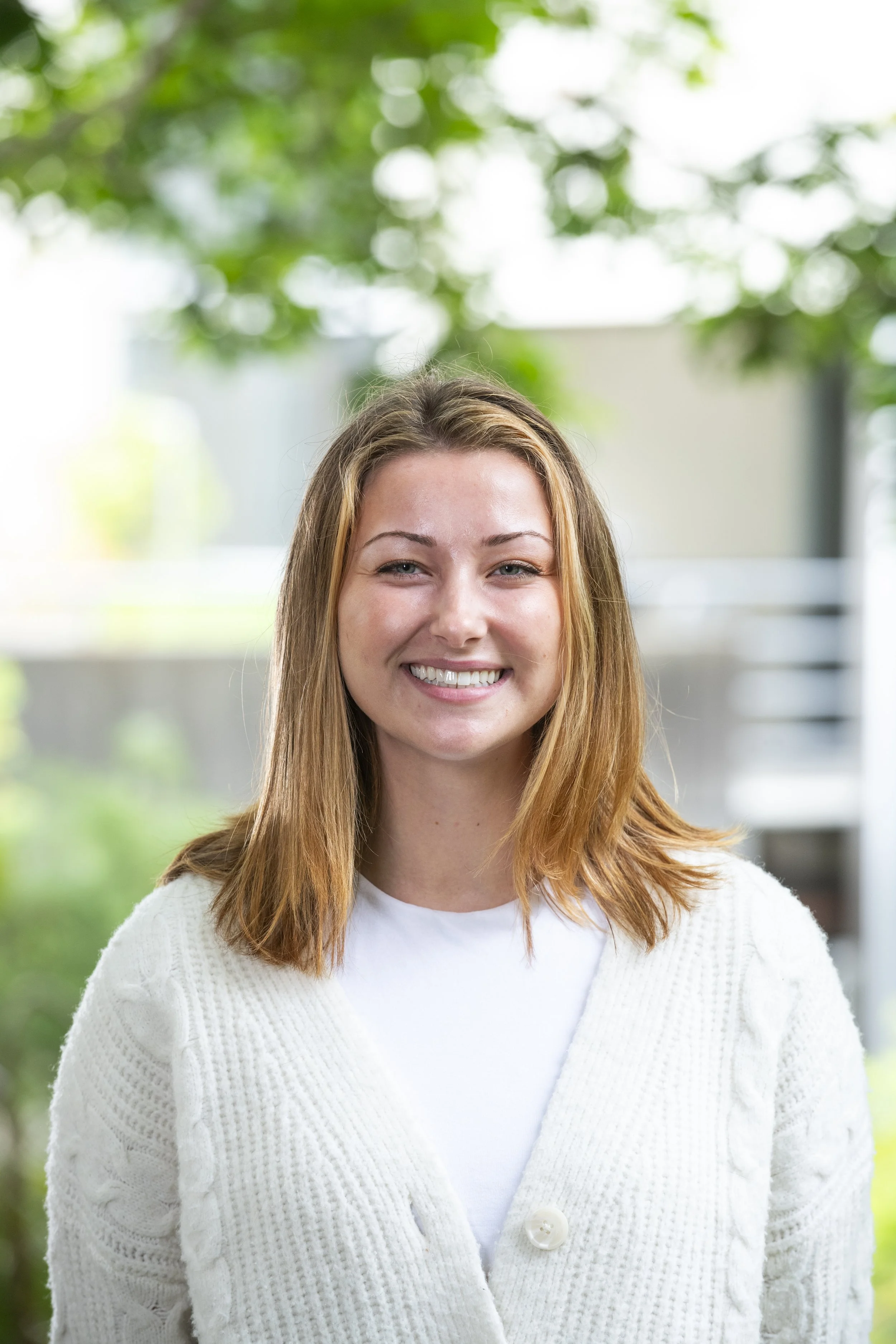
Olivia Williams


Dane Gobel
Andrea Cipriano, Ph.D.
Kseniya Melyukhina
Mason Menna
SPONSORS & PARTNERS
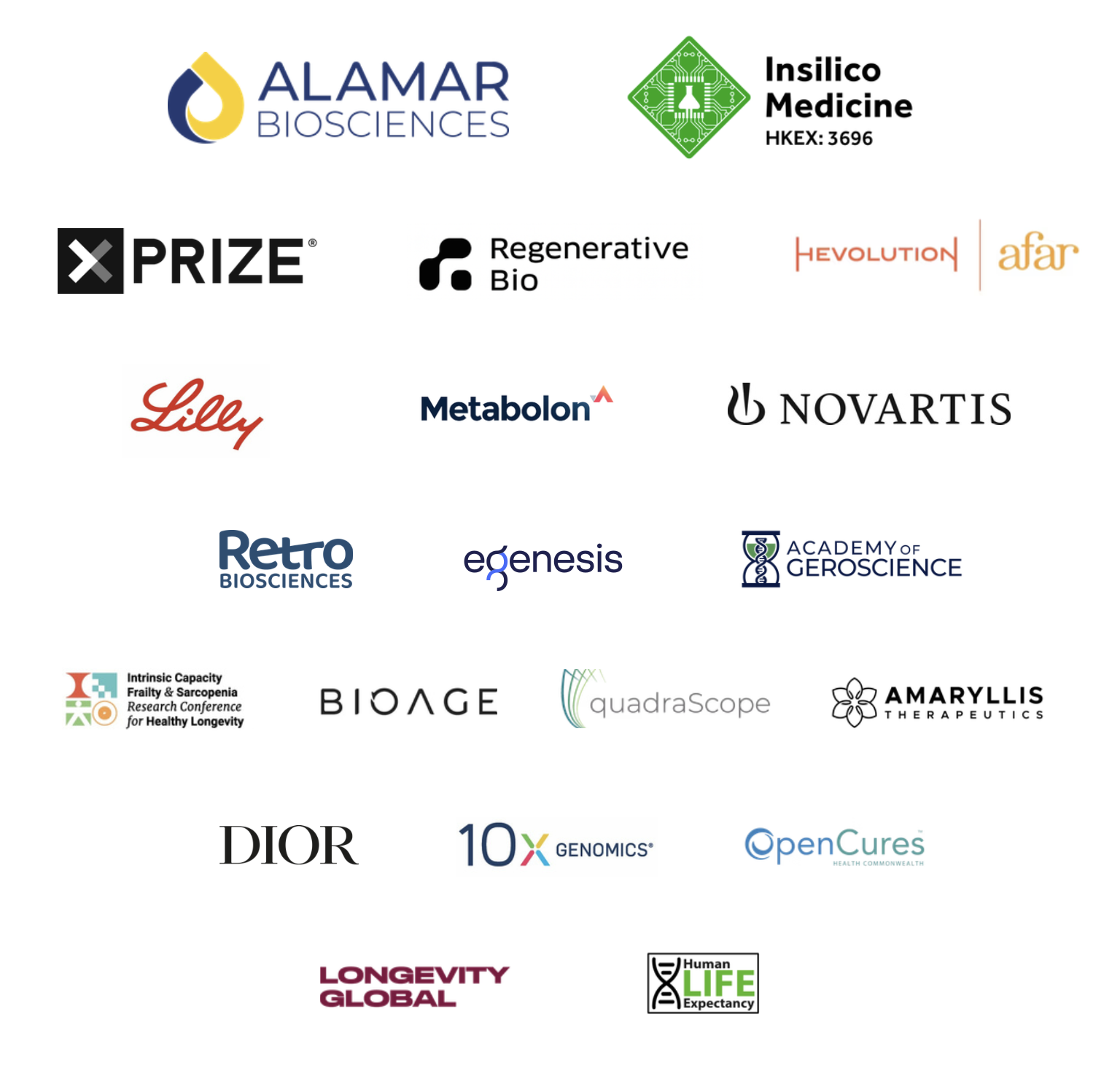
The 2026 Biomarkers of Aging Conference is supported in part by the Hevolution Foundation. Read the Hevolution Global Health Report (GHR) here